Iran’s president apologises for attacks across the Gulf as Trump calls for ‘surrender’
- By --
- Tuesday, 10 Mar, 2026
Iran’s president has apologised to neighbouring Gulf countries for recent missile and drone attacks as the war in the Middle East continues to escalate, while U.S. President Donald Trump renewed his demand that Tehran accept what he called an “unconditional surrender,” raising fears that the conflict could widen further.
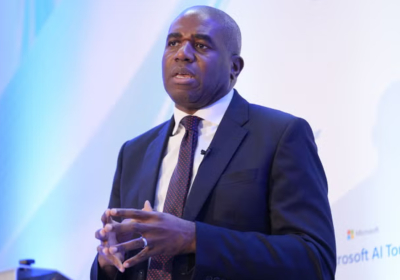
Iranian President Masoud Pezeshkian issued the apology in a televised address after several Gulf nations reported damage and disruptions caused by Iranian strikes during the past week of fighting. The attacks targeted areas in the United Arab Emirates, Saudi Arabia, and Bahrain, where air defence systems intercepted multiple missiles and drones launched during the conflict.
Pezeshkian said he regretted the strikes on neighbouring countries and insisted that Iran had no intention of starting a wider regional war. He told viewers that Tehran would avoid further attacks on Gulf states unless those countries were directly involved in military action against Iran, describing the situation as the result of escalating hostilities rather than a deliberate plan to expand the conflict.
Despite the apology, the Iranian leader strongly rejected calls from Washington for the country to surrender. He said demands for capitulation were unrealistic and warned that Iran would continue to defend itself if attacks from the United States or its allies continued. Officials in Tehran described the surrender demand as unacceptable and said any negotiations must respect Iran’s sovereignty.
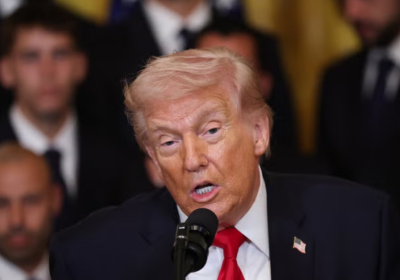
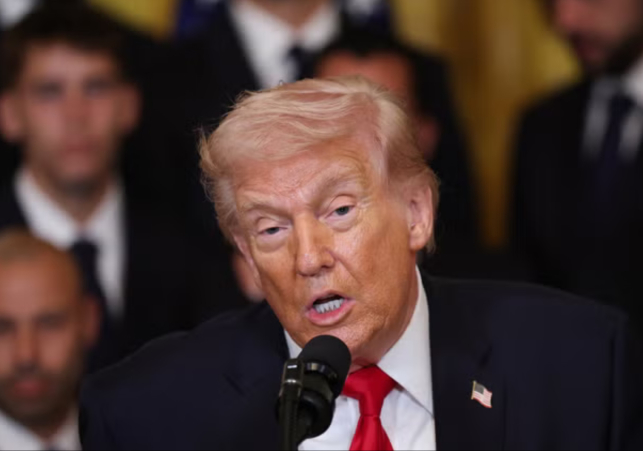
President Trump, speaking earlier, said there would be no agreement to end the war unless Iran fully surrendered and accepted major political changes, including the possibility of new leadership. The statement signalled a hard-line position from Washington and reduced hopes for immediate peace talks, according to diplomats monitoring the situation.
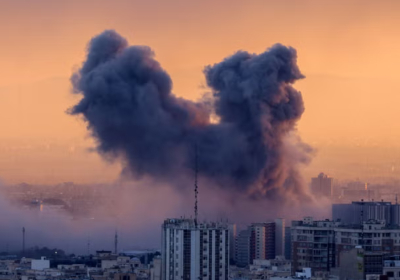
The conflict has already spread beyond Iran and Israel, with clashes reported in Lebanon and missile alerts across several Gulf countries. Airlines have cancelled flights, oil prices have risen sharply, and governments in the region have warned their citizens to prepare for further instability if the fighting continues.
Military analysts say the apology from Iran may be an attempt to calm tensions with neighbouring states while the country focuses on defending itself against U.S. and Israeli strikes. However, they also warn that strong language from both sides makes a quick end to the conflict unlikely.
With attacks continuing and political positions hardening, the situation is now being seen as one of the most dangerous crises in the region in years, with the potential to affect global energy supplies, international travel, and security far beyond the Middle East.
Related News